Southern Restaurant Pittsburgh, PA: Flavorful Dining With Heart
@devinvqdj090
October 8, 2026 · 16 min read
Pittsburgh knows comfort food. It understands cold evenings, long workdays, neighborhood loyalties, and the kind of meal that needs to do more than fill a plate. It needs to settle you in. That is exactly why a great southern restaurant in Pittsburgh, PA can feel so right. Southern cooking, when it is done with care, speaks the same language as this city. It values generosity over fuss, patience over shortcuts, and flavor that comes from technique rather than showmanship.
The appeal goes deeper than biscuits and fried chicken, though those certainly help. Southern food at its best is layered, practical, and deeply rooted in hospitality. It comes from traditions built around stretching ingredients, feeding groups, honoring the season, and making even simple dishes taste complete. In Pittsburgh, where diners tend to appreciate substance and sincerity, that approach lands well.
A lot of restaurants borrow southern cues. Fewer understand the soul of the cuisine. There is a difference between a menu that uses the word “southern” as decoration and one that respects the craft behind braising greens, seasoning cast iron properly, frying with discipline, and balancing richness with acid, spice, and texture. If you are looking for a southern restaurant in Pittsburgh, PA, it helps to know what separates the real thing from a themed dining room with a few familiar dishes.
What southern food should feel like on the plate
People often reduce southern food to indulgence. That misses the point. Yes, many dishes are rich. Yes, butter has a place. So do cream, rendered fat, and a well seasoned fryer. But the best southern cooking is balanced. Crisp fried chicken should not feel greasy. Mac and cheese should be lush, not heavy to the point of fatigue. Collard greens need bitterness, savor, and brightness, usually from vinegar or pepper, to cut through the meal. Cornbread should have character, whether it leans sweet or savory, and it should taste like corn, not cake.
A strong kitchen understands these tensions. It knows that pimento cheese needs sharpness, not just creaminess. Shrimp and grits should have contrast between the creamy base and the snap of the shrimp. Catfish needs a crust that holds without turning dense. Red beans and rice should taste simmered, not assembled. Even banana pudding, often treated as a nostalgic throwaway, needs restraint. If it is too sweet or too loose, it becomes forgettable fast.
That is one reason southern food can be so satisfying in Pittsburgh. It rewards kitchens that care about detail. You can taste whether a gravy was built with real drippings or rushed with a shortcut. You can tell when a biscuit was mixed lightly and baked hot, rather than overworked into something bready and flat. Southern food has a reputation for comfort, but comfort is not accidental. It is technical.
Why Pittsburgh is a natural home for southern cooking
On paper, the pairing makes immediate sense. Pittsburgh has long been a city where food carries emotional weight. It is a place where people still talk about favorite neighborhood spots with unusual tenderness. Portions matter, but so does heart. A restaurant earns loyalty here by being dependable, warm, and full of character.
Southern cooking thrives in that environment. It is food made for conversation and repeat visits. You return for the smoked wings that leave a little heat on the lips, for the gravy that tastes like someone actually stood over the stove long enough to make it right, for the peach cobbler that comes out warm when the weather turns cold.
There is also a practical side. Pittsburgh diners are generally open to regional American food when it feels honest. They do not need a history lecture with dinner, but they do appreciate when a restaurant knows where its dishes come from. The city’s dining scene has broadened significantly over the years, and that gives southern restaurants room to do more than the expected staples. A smart kitchen can honor classics while borrowing from local ingredients, local seasonality, and local tastes.
That flexibility matters. Southern food is not a single thing. Lowcountry cooking is not the same as what you find in Tennessee. Louisiana traditions differ from the Appalachian South. Texas smoke shows up differently than Carolina barbecue. A southern restaurant in Pittsburgh, PA has choices to make, and those choices shape the identity of the place. The good ones do not try to be everything at once.
The dishes that reveal whether the kitchen is serious
Some menus look convincing at first glance. The real test is in execution. There are a handful of dishes that tell you quickly whether a restaurant has discipline.
Fried chicken is one of them. It sounds simple until you watch how many kitchens get it wrong. The coating can slip, the seasoning can stay on the surface instead of reaching the meat, or the crust can turn dark before the interior stays juicy. Great fried chicken has a crust with audible crunch and a seasoned interior that does not rely on dipping sauce for flavor. It arrives hot, not just warm, and it should smell as good as it tastes.
Biscuits are another giveaway. A good biscuit should break open in layers, with a tender interior and enough structure to hold butter, jam, or gravy. Too often they are dense or dry, which usually means the dough was handled too much or the fat was not treated properly. You do not need a towering biscuit for it to be memorable. You need one with clean flavor and texture.
Greens tell a story about patience. Proper collards or mustard greens are not there to check a vegetable box. They should be cooked until tender, seasoned deeply, and finished in a way that keeps them lively. Pot liquor, that deeply flavored cooking liquid left behind, is often as meaningful as the greens themselves. If a restaurant serves greens that taste flat or watery, that is rarely an isolated issue.
Then there are grits, perhaps one of the most misunderstood side dishes in American cooking. Real grits are not wallpaper paste and should not taste anonymous. They should be creamy, yes, but also carry some grain character. Add cheese if it belongs, add butter if it helps, but the underlying ingredient should still matter. When shrimp and grits lands at the table, the grits should support the dish, not disappear under a sauce.
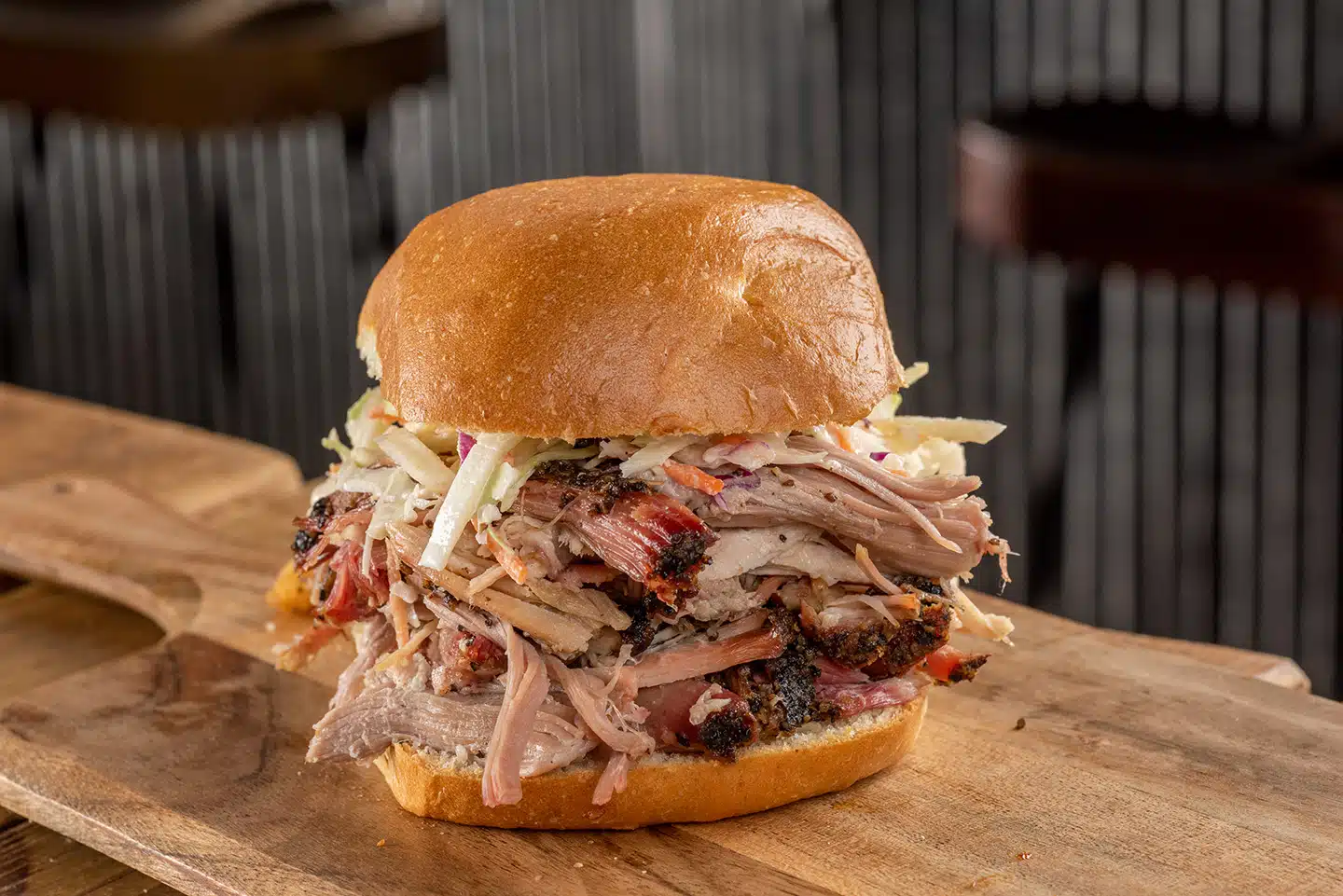
Barbecue, when it appears on a southern menu, deserves scrutiny too. In a city with many dining options, there is no reason to settle for meat that tastes like smoke flavoring rather than actual smoke. Brisket, ribs, and pulled pork each demand different timing and judgment. Sauce can be regional and still work beautifully, but it should not conceal dry meat.
Hospitality is part of the cuisine
A southern restaurant is not just a collection of recipes. Service matters. Southern dining traditions place real emphasis on welcome, pacing, and the feeling that you are being taken care of without being rushed. That does not mean servers need to perform a stereotype. It means the room should feel generous.
In practical terms, that often shows up in small details. Water glasses get refilled before you need to ask. Staff can explain dishes without reciting memorized lines. If you are new to a menu, they guide you toward combinations that make sense instead of pushing the highest margin items. Portions are described honestly. Hot food comes out hot. Courses flow with purpose.
That kind of service pairs well with Pittsburgh’s own dining culture. People here tend to appreciate straightforward warmth. They can spot forced hospitality a mile away. The best southern restaurant in Pittsburgh, PA will feel comfortable, not theatrical. It will make space for families, date nights, solo diners at the bar, and groups that want to linger over a second round https://andyezoj561.halcyonledger.com/posts/from-grits-to-gumbo-at-a-southern-restaurant-in-pittsburgh-pa of drinks and one more dessert to share.
When tradition meets a Pittsburgh point of view
There is always a question hanging over regional food served outside its birthplace. How much adaptation is too much? The answer depends on whether the changes are thoughtful.
A restaurant in Pittsburgh does not need to mimic another city down to the last detail to be credible. In fact, copying too literally can backfire. Climate, ingredient access, diner expectations, and kitchen economics all shape the final product. What matters is whether the food stays true to the spirit of southern cooking. That spirit includes depth of flavor, care with process, and hospitality with substance.
Sometimes adaptation improves the experience. A chef might work in local produce when it is at its peak, fold regional beer into a batter, or develop a brunch dish that reflects both southern roots and Pittsburgh appetites. That can be smart cooking, provided the dish still tastes coherent. Problems arise when a restaurant confuses novelty with identity. Fried green tomatoes do not need truffle oil. Cornbread does not benefit from becoming dessert unless that is clearly the point. Southern food can be creative, but it should not lose its grounding.
I have seen menus lean so hard into reinvention that every plate arrives with a concept statement and none of them offer pleasure. I have also seen modest dining rooms serve a bowl of gumbo or a plate of smothered pork chops that did more to win a room than any amount of branding ever could. Diners remember flavor first. They remember how a place made them feel second. Everything else is accessory.
The role of brunch, and why it often matters
Southern restaurants often shine brightest at brunch because the cuisine is naturally suited to the format. Eggs, grits, biscuits, country ham, fried chicken, hot sauce, and sweet pastries all belong at the late morning table. In Pittsburgh, brunch is not a passing trend. For many diners, it is the meal where a restaurant either becomes part of the routine or gets forgotten.
A strong brunch menu should not just recycle dinner sides beside a few eggs. The best versions understand balance. Chicken and waffles, for instance, only works when the waffle has enough integrity to stand up to the chicken and syrup without turning soggy in minutes. Biscuits and gravy need pepper, fat, and a gravy texture that coats rather than floods. A breakfast hash should have crisp edges and seasoning, not just random ingredients tossed on a flat top.
Brunch also reveals how a restaurant handles volume. Weekend service can expose weaknesses fast. If coffee comes out lukewarm, eggs arrive overcooked, and the kitchen cannot maintain the crispness of fried items during rush periods, the romance wears off quickly. On the other hand, when a southern restaurant runs a packed brunch and still sends out excellent food with calm service, that usually points to a kitchen and floor team with real systems in place.
How to read a menu without overthinking it
If you are trying a new spot, the menu gives plenty away. A concise menu often signals confidence. That is especially true with southern cooking, where execution matters more than sheer variety. A long list of dishes can work, but only if the kitchen has the staff, prep, and consistency to support it. Many do not.
Here are a few signs that a menu deserves attention:
- It balances classics with a smaller number of house specialties.
- Side dishes sound considered, not obligatory.
- Sauces and gravies are described specifically rather than vaguely.
- Desserts include at least one item made for the restaurant, not just bought in.
- The beverage program complements the food, especially with tea, cocktails, bourbon, or beer that fit the meal.
That does not mean every great restaurant checks every box. Some tiny kitchens keep dessert simple. Some barbecue focused spots narrow the menu for good reason. The point is not to grade a place before sitting down. It is to notice whether the restaurant seems to know itself.
Atmosphere matters more than people admit
Southern food can survive in many settings, from counter service to polished dining rooms, but the atmosphere still shapes the experience. The best spaces for this kind of cooking do not need elaborate design. They need coherence. Music should support the room rather than dominate it. Seating should make sense for the kind of meal being served. Lighting matters, particularly in the evening when comfort food can either feel inviting or oddly clinical depending on the room.
A lot of guests underestimate acoustics until they cannot hear each other over dinner. That is especially unfortunate in a cuisine built around shared plates, stories, and second helpings. Southern dining traditionally invites lingering. If a room is too loud, too cramped, or arranged for turnover instead of comfort, the experience loses some of its warmth.
At the same time, not every southern restaurant needs to look rustic. There is room for polished interpretations, provided the food and service still carry warmth. White tablecloths are not the enemy. Pretension is. A refined southern restaurant can be excellent if it remembers that elegance and generosity are not opposites.
Value is not just about portion size
It is tempting to judge southern food by sheer quantity. Big plates are common, and nobody should leave hungry after a serious southern meal. But value is more nuanced than volume. If the chicken is dry, the biscuit is stale, and the greens are underseasoned, a huge portion is just a larger disappointment.
Real value comes from thoughtfulness across the plate. It comes from a lunch special that feels complete, from sides that taste like they belong to the meal rather than being filler, from a dessert worth ordering because it was made with care. It also comes from consistency. Diners in Pittsburgh, like anywhere else, build loyalty around restaurants that deliver on a Wednesday the same way they do on a Saturday.
Pricing can vary widely depending on neighborhood, service style, sourcing, and ambition. That is normal. What matters is whether the guest feels the restaurant respected both the ingredients and the diner’s time. A plate of shrimp and grits can justify a higher price if the shrimp are cooked perfectly, the grits are actually good, and the sauce has depth. A bargain that disappoints still costs too much.
Bringing people together, one table at a time
There is a reason southern restaurants often become gathering places. The cuisine naturally encourages sharing, passing, comparing, and stealing bites from each other’s plates. One person orders catfish, another gets the chicken, somebody insists on mac and cheese for the table, and before long there is a casual feast in motion. That style of dining works beautifully in Pittsburgh, where meals often double as reunions, celebrations, and catch-ups.
The emotional side of southern food is not sentimental fluff. It has practical power. A plate of ribs or a bowl of gumbo can lower the temperature in a room after a hard week. A basket of biscuits can soften the awkward edges of a first meeting. Families with different tastes can usually find common ground on a menu built around proteins, sides, and familiar desserts. Few cuisines bridge generations quite so easily.
That broad appeal is also why execution matters so much. Comfort food raises expectations. People may forgive a small issue in a highly conceptual restaurant because the meal is partly about novelty. They are less forgiving when the promise is comfort and the plate fails to deliver it. When a restaurant calls itself southern, guests expect warmth from the first greeting to the last bite.
What to look for when choosing a southern restaurant in Pittsburgh, PA
The easiest way to find a worthwhile place is to think beyond buzz. Social media can show you a dramatic drizzle of hot honey or a towering sandwich, but it cannot tell you whether the kitchen seasons well or whether the service holds up when the dining room fills. Reviews can help, though they are most useful when you look for patterns rather than one glowing post or one angry complaint.
Pay attention to whether people mention consistency, friendliness, and specific dishes rather than generic praise. A restaurant that earns repeat affection usually has a few signature items guests talk about in concrete terms. It also tends to have a point of view. Maybe it is known for its brunch. Maybe it leans into barbecue. Maybe it does classic meat-and-three style plates with unusual care. A clear identity is a good sign.
If you can, visit at an off-peak time first. Lunch or an early dinner often gives you a cleaner read on the kitchen. Order one item that is fried, one side that requires patience, and one bread or starch item that shows technique. That combination tells you quite a lot. If all three hit the mark, there is a good chance the rest of the menu has been built with similar care.
The meal people come back for
Ask regulars why they return to a restaurant, and the answer is rarely abstract. They come back for the crispy skin on the chicken, for the way the pepper in the gravy wakes up the biscuit, for the smoked flavor in the greens, for the bartender who remembers how they like their bourbon poured, for the feeling that this place gets it. That is the standard a strong southern restaurant should meet.
In Pittsburgh, that standard matters because people here do not hand out loyalty lightly. Once a restaurant earns a place in someone’s weekly or monthly routine, it usually keeps it by staying true to itself. Southern food is particularly well suited to that kind of relationship. It is not trend driven. It does not need gimmicks. It needs cooks who understand timing, seasoning, and restraint, and a front-of-house team that knows hospitality is an action, not a slogan.
A memorable southern restaurant in Pittsburgh, PA offers more than a plate of food. It offers steadiness, personality, and a kind of welcome that feels increasingly rare. You walk in hungry, maybe tired, maybe carrying more of the week than you realized. Then the meal arrives, hot and fragrant and made by people who clearly care what happens after the plate hits the table. That is flavorful dining with heart, and it is why this style of restaurant continues to matter.
Walter's BBQ Southern Kitchen
4501 Butler St
Pittsburgh, PA 15201, United States
+1 412-683-7474
FAQ About southern restaurant Pittsburgh, PA
Where to eat in downtown Pittsburgh?
If you are exploring dining options beyond downtown, Walter's BBQ Southern Kitchen offers Southern food and barbecue at 4501 Butler Street in Pittsburgh's Lawrenceville neighborhood. It is outside downtown, so allow travel time when planning your visit.
What is a must eat in Pittsburgh?
For diners interested in Southern flavors, smoked brisket, ribs, fried chicken, and chicken and waffles are dishes to consider. Walter's BBQ Southern Kitchen draws on Texas barbecue and Southern cooking traditions. Check the current menu for the dishes available during your visit.
What are some of Pittsburgh's unique restaurants?
Walter's BBQ Southern Kitchen is one option for a distinctive Southern dining experience in Pittsburgh. Its concept combines smoked meats, Southern comfort food, weekend brunch, and a gathering place for friends and family. The restaurant is located on Butler Street in Lawrenceville.